English
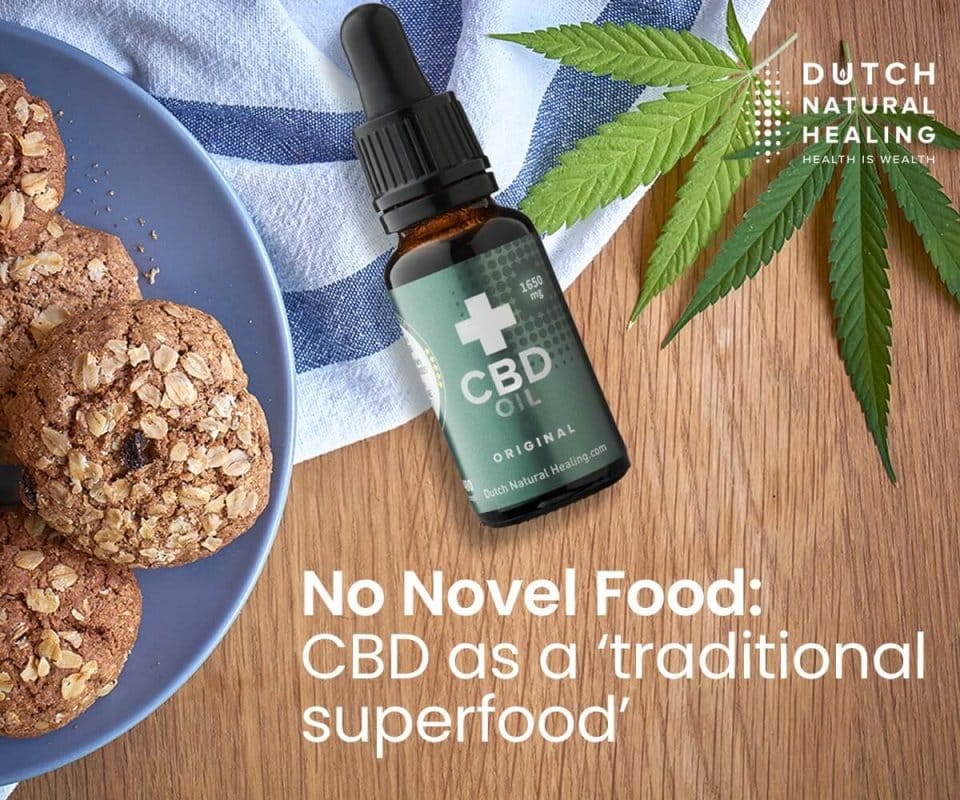
In a recent clarification of the European Novel Food Regulation, CBD is considered a Novel Food. This means that CBD oil will have to go through intense licensing procedures for medicinal or dietary supplements before it is allowed to be sold on the market. Although extensive research by the European Industrial Hemp Association (EIHA) concludes otherwise: CBD is an old “traditional superfood” in the EU.
Regulation on Novel Foods (Novel Food)
The “Regulation on Novel Foods” is a European regulation aimed at regulating the introduction of novel foods or new foods onto the market. According to this regulation, a Novel Food (NF) is a product that was not available as food or widely consumed in the EU prior to May 16, 1997. In the years that followed, various regulations were added to further define the specifications for these products.
Regarding CBD and cannabis, the first NF product list (1998-2017) covers only Cannabis Sativa L.. The plant family includes several strains of industrial hemp and other cannabis varieties. Under this Regulation, most foods or ingredients from Cannabis Sativa L. were not considered as novel foods.
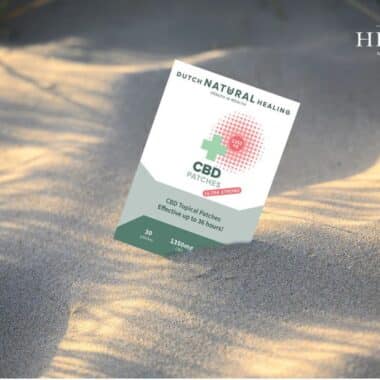
In a second version, valid from 2017-2018, cannabidiol (CBD) was added to the regulation. He stated that extracts of Cannabis Sativa L. containing more CBD than is naturally present in the plant should be considered Novel Foods (NF). Natural extracts without extra CBD, such as Dutch Natural Healing‘s CBD products, were not listed as NF. which has resulted in large investments in the CBD industry.
CBD as a novel food
However, the third and most recent edition updated the specifications for both entries. It states that as of January 20, 2019, only products containing hemp seeds and hemp seed oil should be considered “traditional.” Foods made from leaves, flowers, and extracts containing cannabidiol (CBD), on the other hand, will be subject to the Novel Food Regulation. Although these regulations have often not been actively enforced, the products remain available almost everywhere in Europe.
Until the Federal Office of Consumer Protection and Food Safety (BVL), a German agency responsible for food safety, published an online statement saying that the Novel Food category should include all CBD products. According to BV L “there is no evidence that CBD was consumed on a large scale – or was available on the market as a food before 1997. Consequently, CBD products would have to go through intense and rigorous procedures before they could be launched on the market – at least in Germany. That would have a major impact on the free, competitive market that we have now. And in some cases it could cause some of the most used brands to be removed from the market, temporarily or even permanently.
CBD as a traditional superfood
However, according to the EIHA, this statement could not be further from the truth. The International Association of Hemp Growers and Processors investigated the historical use of CBD in Europe, based on the BVL’s statement. Contrary to the BVL’s belief, they reached the opposite conclusion: CBD should be considered a “superfood.” And obviously, we at Dutch Natural Healing couldn’t agree more!
Hemp oil extract appears to be one of the most used vegetable oils before the industrial era. EIHA relies on more than 21 pieces of evidence to demonstrate the use of cannabis in Europe. Changing from recipes for tea to tortelli with caramel, even a pasta dish described in an Italian cookbook from 1884.
Although CBD was already used long before that and was not only meant to fill the stomach. Proved by a Latin inscription on the wall of the Italian “Canton di Fiori” of Bologna from 1220, which states: “Panis Vita / Canabis Protectio / Vinum Laetitia”. This means that “bread is life, hemp is protection, wine is pleasure”. Supporting the EIHA’s argument that CBD and hemp extracts such as oil have been used knowingly for health benefits for years.
EIHA vs. BVL
Following the BVL’s unfair statement, the EIHA was able to elicit a response from the federal government on this matter. Backed by the Federal Ministry of Food and Agriculture, they support the EIHA’s initiative. In an official response, they state: “The European Commission’s opinions, which confirmed that foods containing parts of the hemp plant are not novel foods, remain valid. However, it cannot be inferred from these that all industrial hemp products, including, for example, individual substances such as cannabinoids or extracts enriched with cannabinoids, would be marketable as food.”
“So,” says Daniel Kruse, president of the EIHA, “foods made from industrial hemp that are produced from traditionally derived extracts containing the natural full spectrum of cannabinoids found in the industrial hemp plant are not new foods.” This means that CBD products made from natural hemp extracts, such as those from Dutch Natural Healing, can be legally sold as food or dietary supplements in the country. This statement by the government and the ministry is a significant milestone for the German hemp food industry—one that will undoubtedly have a very positive impact on the rest of Europe.
Source: dutchnaturalhealing.com